Digital
Music, recorded stories, cultural photography, artwork and documented performances, kept with their story in the Auvra app.

Cultural Badges
Auvra is built around two public badge categories and one private preservation space. Contribution Badges recognise cultural and communal contributions that belong to people and communities, and cannot be bought or claimed. Heirloom Badges represent creative works published by creators for Explorers to discover and claim. My Vault is the private space where people preserve their own memories and collections.
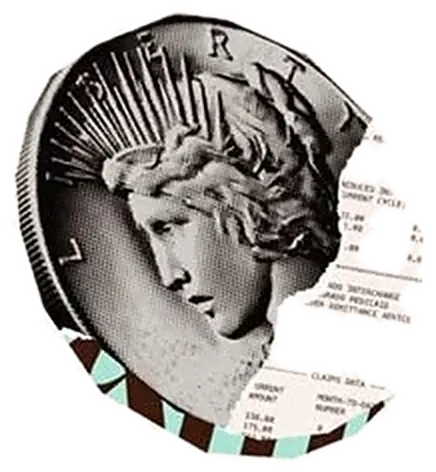 Contribution BadgesRecognising the cultural contributions that belong to us: languages, dance, artifacts, food, traditions, music and other shared cultural expression.Learn more ↓
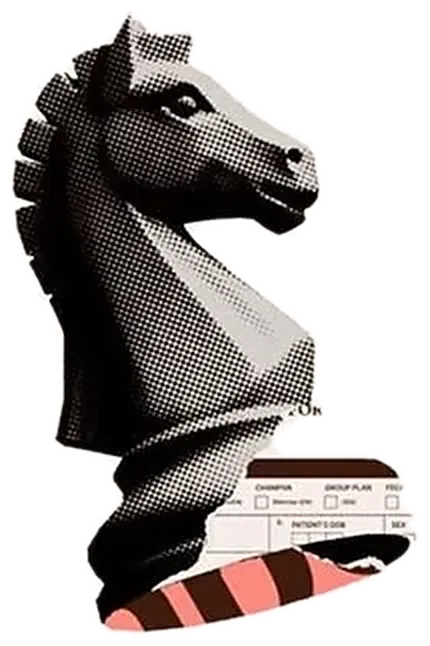 Heirloom BadgesCelebrating the creative works we leave behind: original works published by creators for Explorers to discover and claim.Learn more ↓
Contribution Badges
A Contribution Badge recognises cultural and communal contributions that belong to people and communities, such as languages, dance, artifacts, food, traditions and music. It honours what communities have created, preserved and passed down across generations. People contribute through four paths, and a Contribution Badge cannot be bought or claimed.


What they are
A Contribution Badge recognises cultural and communal contributions that belong to people and communities: languages, dance, artifacts, food, traditions, music and other shared cultural expression. It honours what communities have created, preserved and passed down across generations, and gives those contributions a lasting record within Auvra.
People contribute through four paths, which are part of what a Contribution Badge is, not separate badge types.

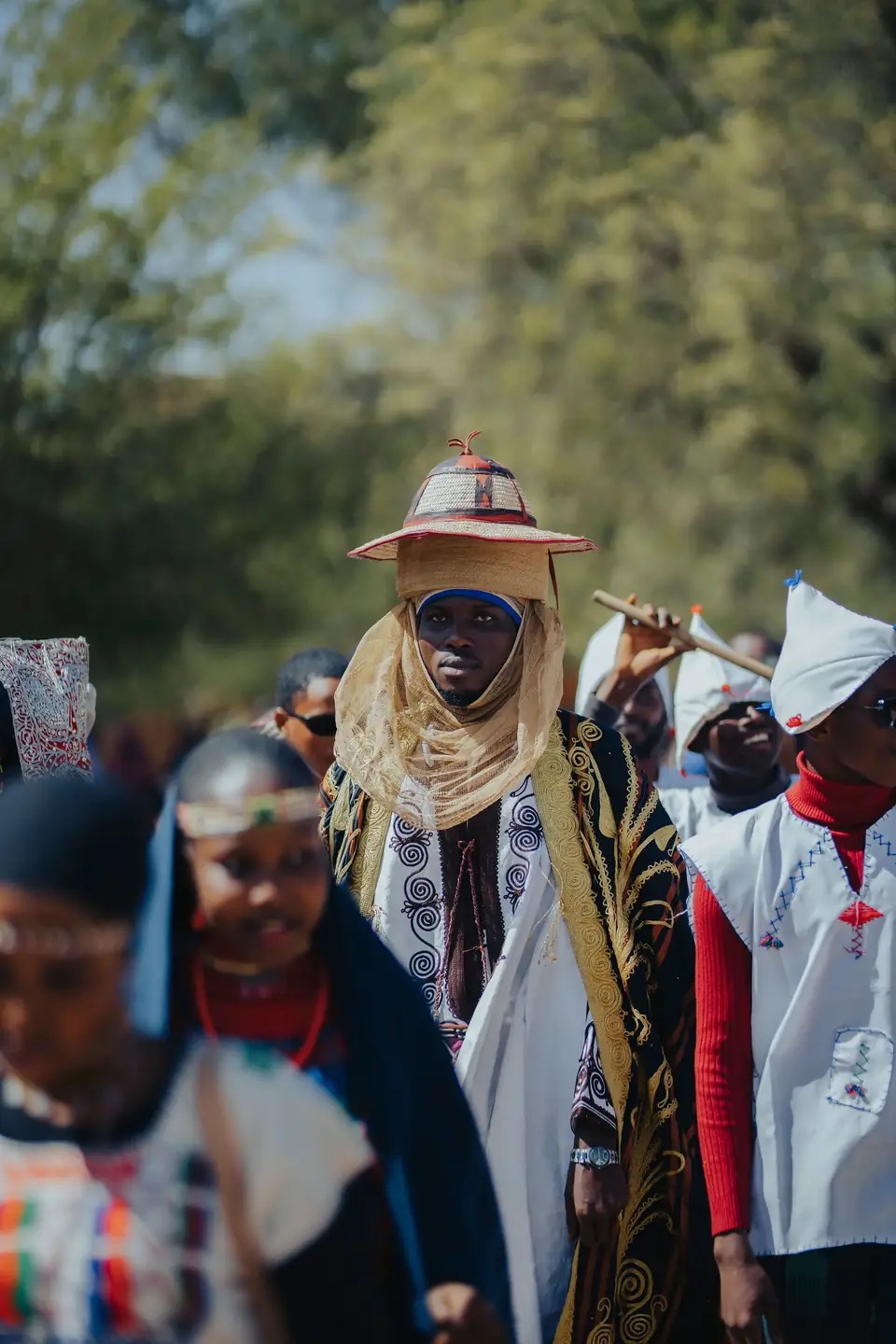
Durbar procession, Zaria
Original record · Photograph
Contributions
✓ Original record kept unchanged
Attribution
Because cultural knowledge comes from people. When a memory, a translation or a correction loses its name, later readers cannot tell where it came from, how much to trust it, or whom to thank.
Elders, families and community members who hold knowledge are named as its source, not erased by the platform that stores it.
Knowing who said something, and when, helps the next generation understand it the way it was meant.
A record that shows its sources and every later addition is easier to rely on than one that changes without a trace.
Preservation and contribution
The original record is kept. Added context never silently replaces it. Every later contribution sits alongside the original with its own name and date, so you can always see what was first documented and what was added since.
A recording, photo or account is preserved with its origin: who shared it, where and when.
Kept as it wasSomeone adds context, a memory or care. It is attached to the record with its own attribution.
Added alongsideIf something needs correcting, the correction is a new contribution too. The earlier version stays visible.
Never overwrittenFour contribution paths
Contextual Validation, Memory & Oral Documentation, Physical & Digital Stewardship and Cultural Continuation. Each describes a different way people help keep a cultural record complete and alive.
Contribution examples
Usually something small and personal: a name, a memory, a scanned letter, a lesson passed on. Here is one illustrative example for each path.

Contextual Validation
A niece adds the names of the guests in her aunt’s wedding photo, and the town where it was taken, while an older relative can still confirm them.
Memory & Oral Documentation
A grandson records his grandfather explaining a proverb in Yoruba: when it is used, what it means and the story behind it.
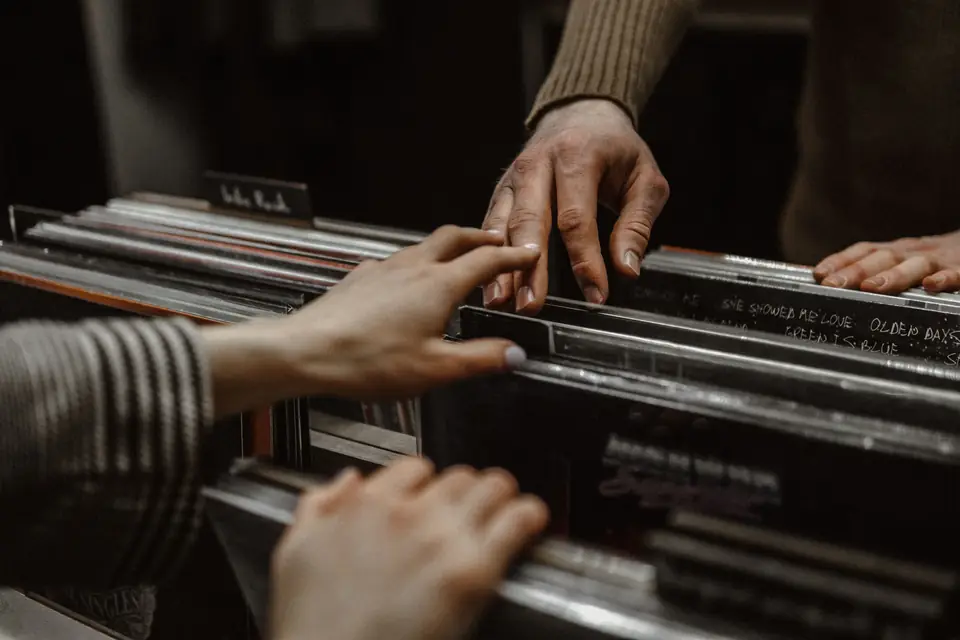
Physical & Digital Stewardship
A family photographs a box of letters sent home in the 1960s and notes who wrote each one, so the originals and their story are not lost.

Cultural Continuation
A drummer documents how he now teaches young players the rhythms for the annual festival, linking it to an older recording of his teacher.
Illustrative examples. They describe the kinds of contributions the paths are designed for.
Record integrity
By adding, never overwriting. Each record keeps its original version and a visible history of every contribution made to it, so the story of how knowledge grew is part of the record itself.

Contribution experience
In three separate steps: you submit a contribution, it is assessed, and then a badge is issued. Each step is a distinct stage, so every badge is earned and every record stays accurate.
Choose the record you are adding to, pick the contribution path that fits, and share your contribution with its context: who, where, when and how you know.
Contributions are reviewed for context and accuracy before any badge is issued, so every record stays trustworthy.
After assessment, a Contribution Badge is issued as a permanent record attributed to the contributor.
A Contribution Badge recognises cultural and communal contributions that belong to people and communities, such as languages, dance, artifacts, food, traditions and music. It honours what communities have created, preserved and passed down, and gives those contributions a lasting record within Auvra. It cannot be bought or claimed.
Contextual Validation (adding knowledge and context), Memory & Oral Documentation (sharing memories, oral histories and stories), Physical & Digital Stewardship (preserving cultural materials, artifacts and records) and Cultural Continuation (practising, teaching and continuing traditions). They are the ways people contribute, not separate badge types.
No. Contribution Badges recognise heritage that belongs to people and communities, so they cannot be bought or claimed. People take part by contributing through the four paths.
Yes, but corrections are added as new contributions with their own attribution. The original record is never silently replaced, so the history of what was documented stays visible.
Heirloom Badges
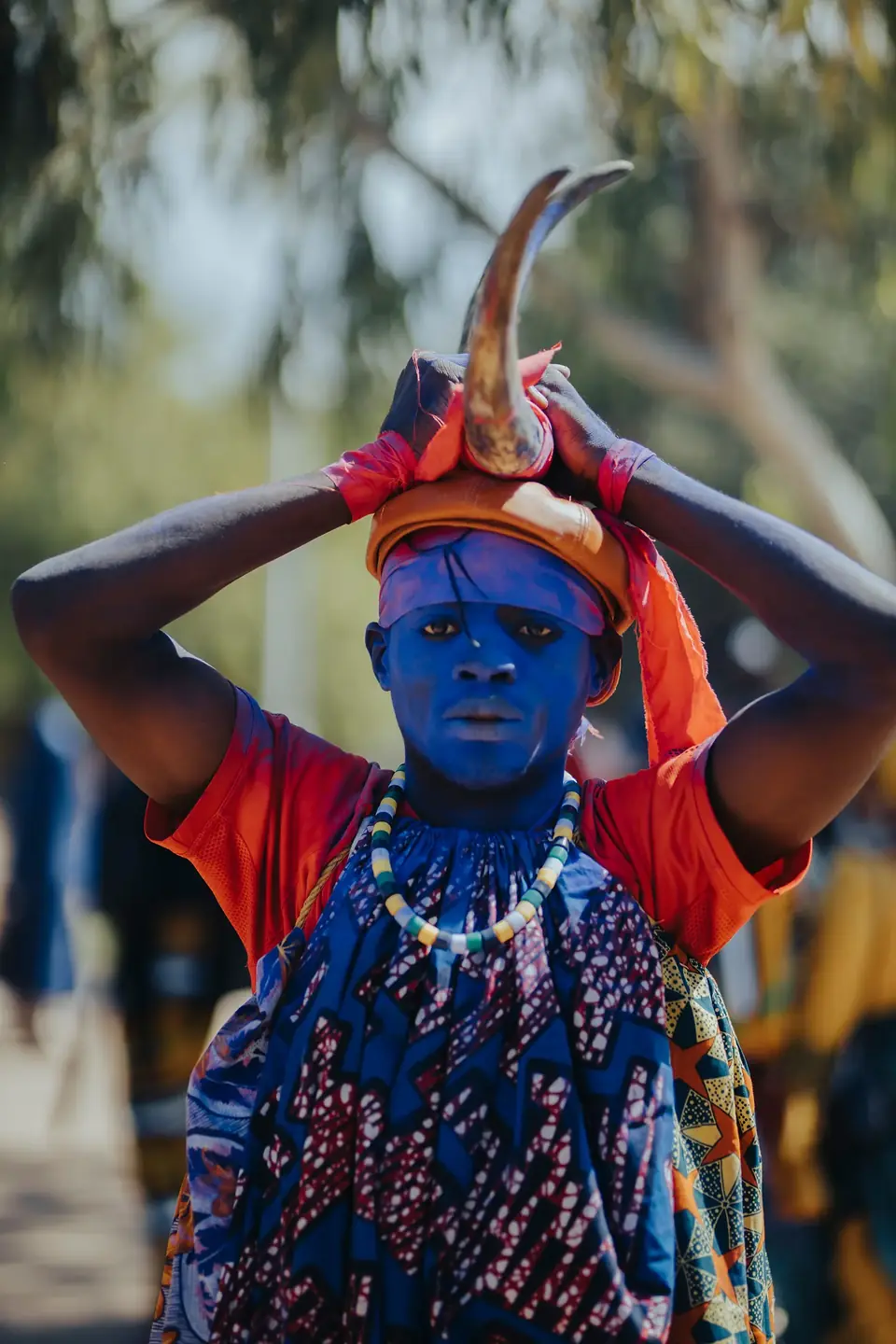
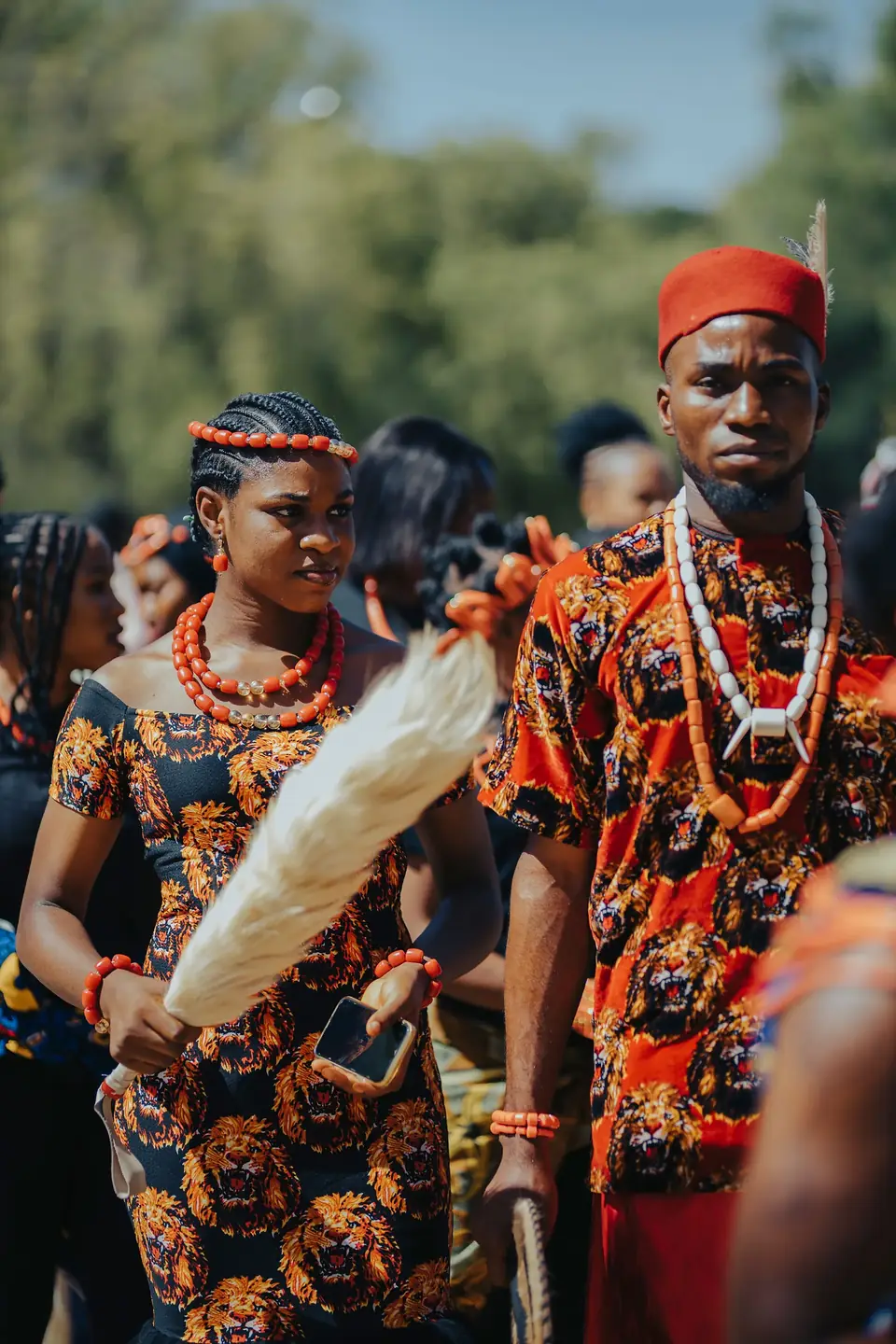
An Heirloom Badge represents a creator’s original cultural or creative work made available within Auvra, such as music, photography, artwork, storytelling, crafts or literature. Creators make their work discoverable, and Explorers build collections of creative and cultural works that hold meaning for them.
What they are
An Heirloom Badge celebrates the creative works we leave behind: a creator’s original cultural or creative work made available within Auvra, presented together with its story. The creator documents the expression, explains where it comes from and what it means, and shares it as a digital or physical item that people can discover and claim, with the creator’s name attached.
It is not a product listing. The context comes first: who made it, which community it belongs to, and why it matters.
The role of creators
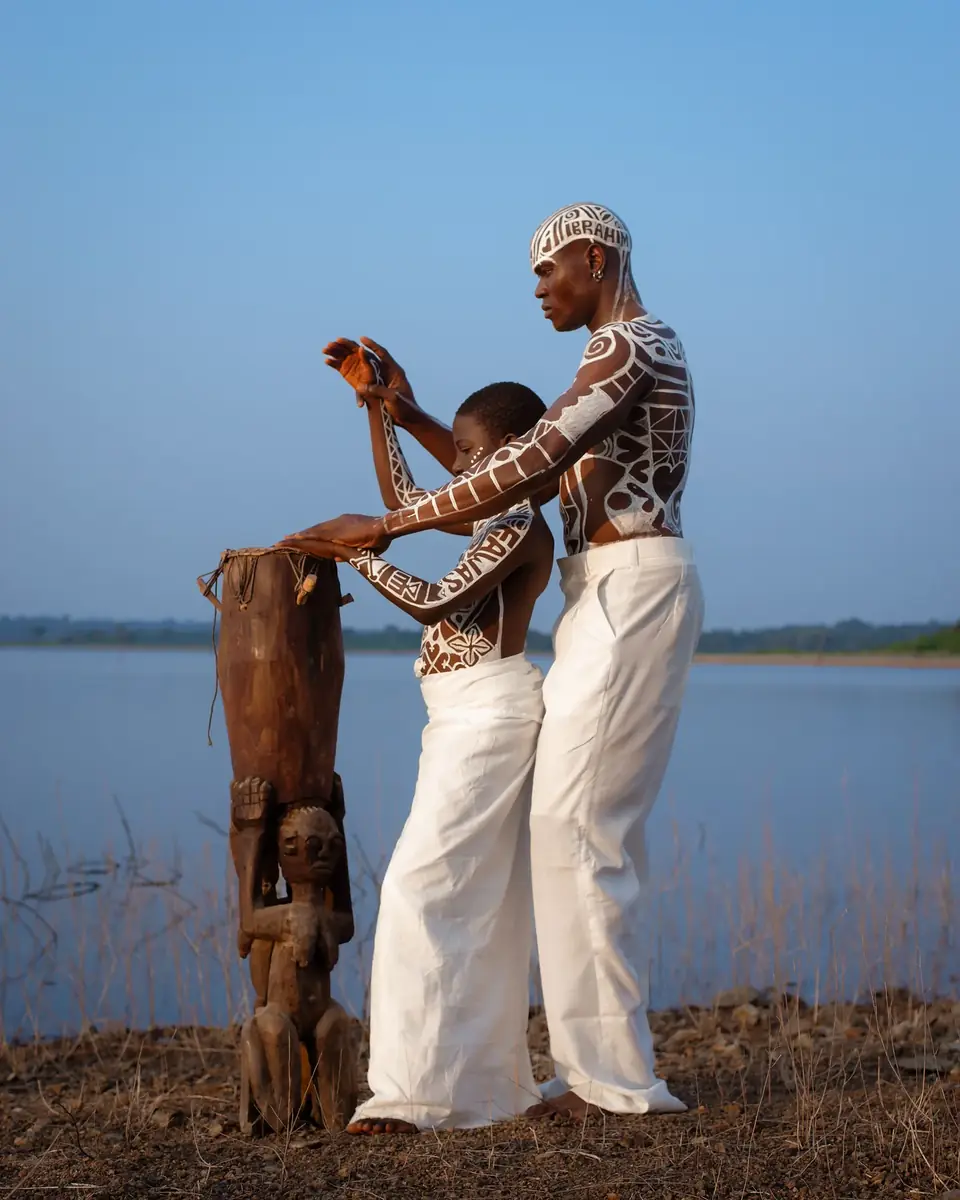
Creators who document and share cultural expressions. They decide what to share, tell its story in their own words and remain its credited author.
A creator might be a master carver sharing a single piece, or a young musician recording the songs their grandmother taught them.
Context and attribution
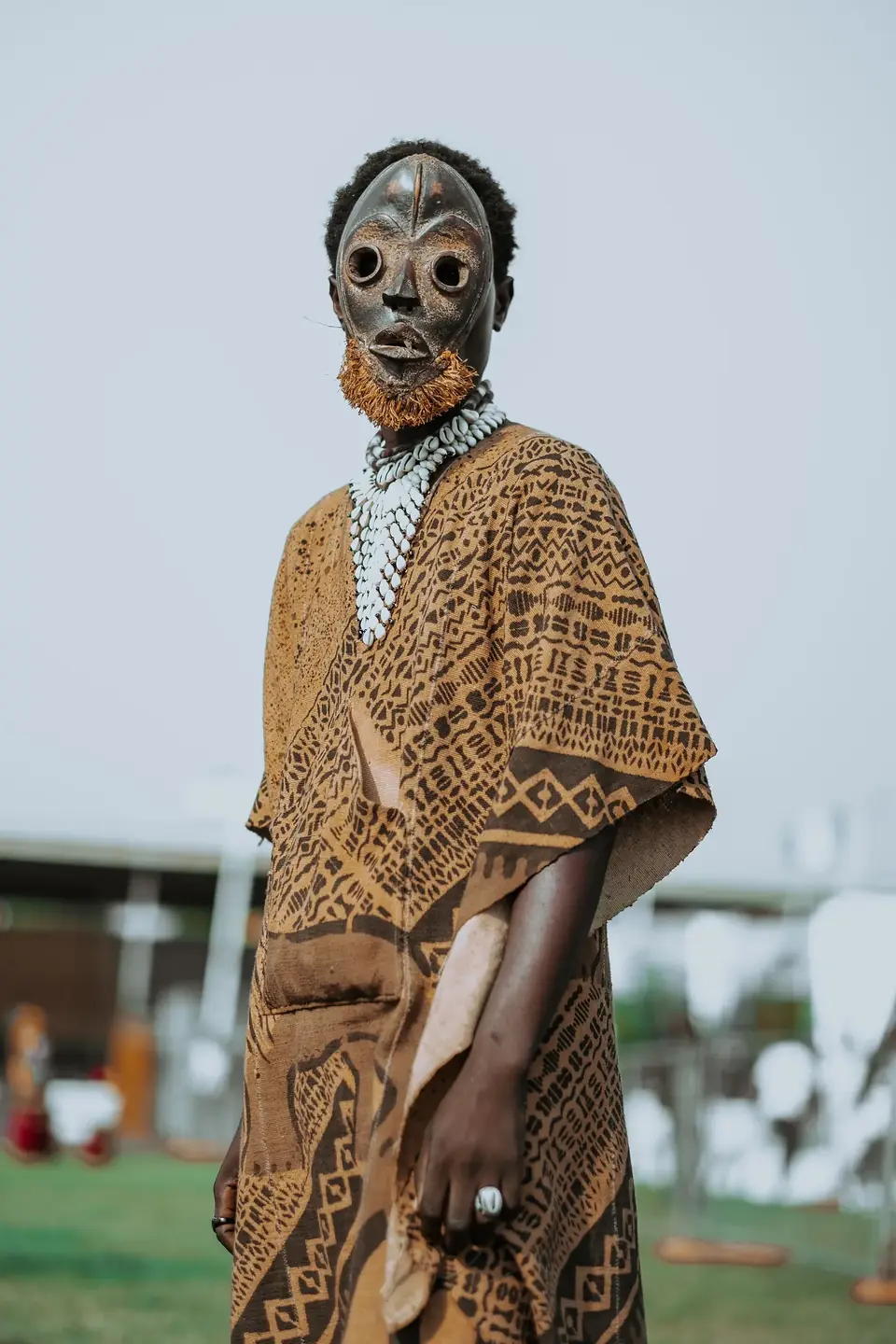
Because a cultural expression separated from its story loses its meaning. Each Heirloom Badge keeps the creator’s name, the community or tradition it comes from, and an explanation of what it is, so the work is understood the way its creator intended.
 Illustrative example
Digital and physical formats
Both. An Heirloom Badge may represent a digital expression, such as a recording or a photograph, or a physical one, such as a carving or a piece of beadwork. Either way, it carries the same context and attribution.
Music, recorded stories, cultural photography, artwork and documented performances, kept with their story in the Auvra app.
Crafted objects, textiles, carvings and prints, connected to a digital record that keeps the creator’s name and the context of the work.
Discovery and claiming
Explorers discover an Heirloom Badge, read its story and context, and claim it through the Auvra app, building collections of works that hold meaning for them. The creator stays credited wherever the badge goes.
Find an Heirloom Badge through a creator, a community or a story you come across on Auvra.
See what the work is, where it comes from, what it means and who made it, before anything else.
Claim the badge through the Auvra app, and keep it with its story attached.
Wherever the badge goes, the creator’s name and the cultural context travel with it.
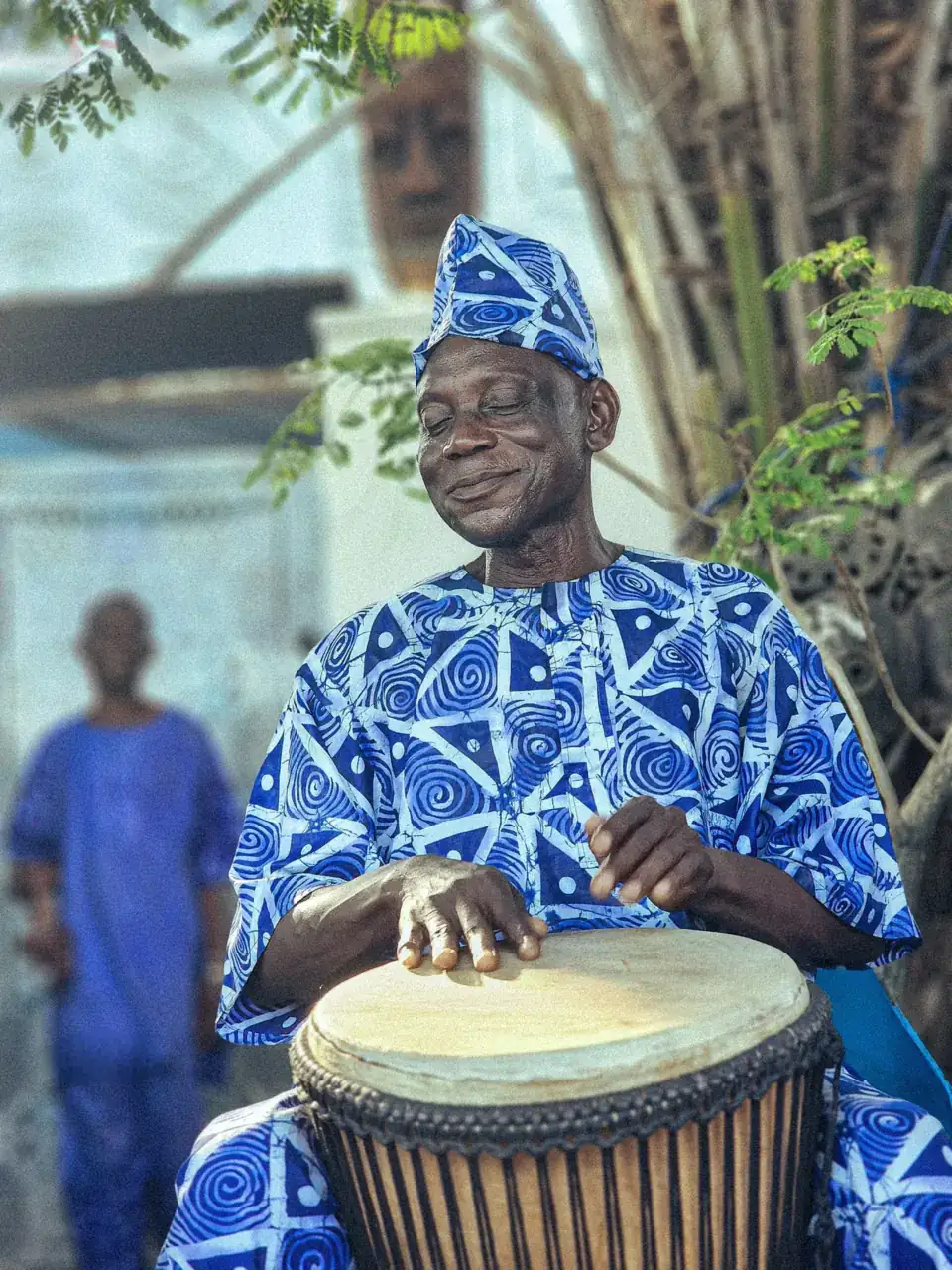 Illustrative example
Heirloom Badge · Digital
Ìyá Ìlù, the mother drum
Created by a talking-drum player · Ibadan
A recording of the lead drum that “speaks” praise names, with an explanation of how its tones follow spoken Yoruba.
Claim in the app
Creators and Explorers
The story behind the work. Explorers do not just receive an item; they learn where it comes from and who made it. Creators keep their name on their work and can see it carried by people who value it.
For creators
For Explorers
Example badges
Traditional artwork, music, cultural photography, craftsmanship and documented cultural expressions, always presented with the creator’s attribution and context.
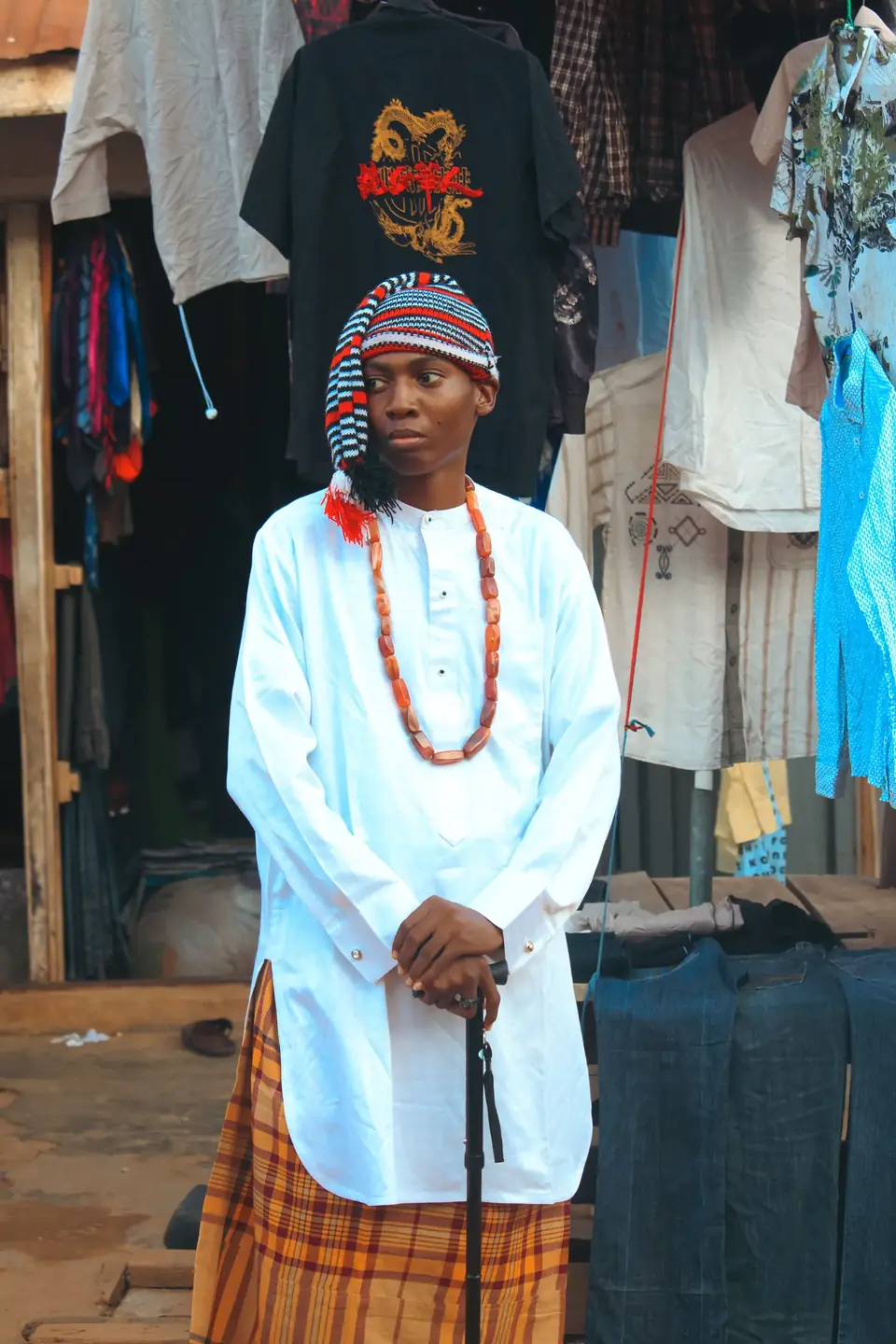 Illustrative example
Traditional attire
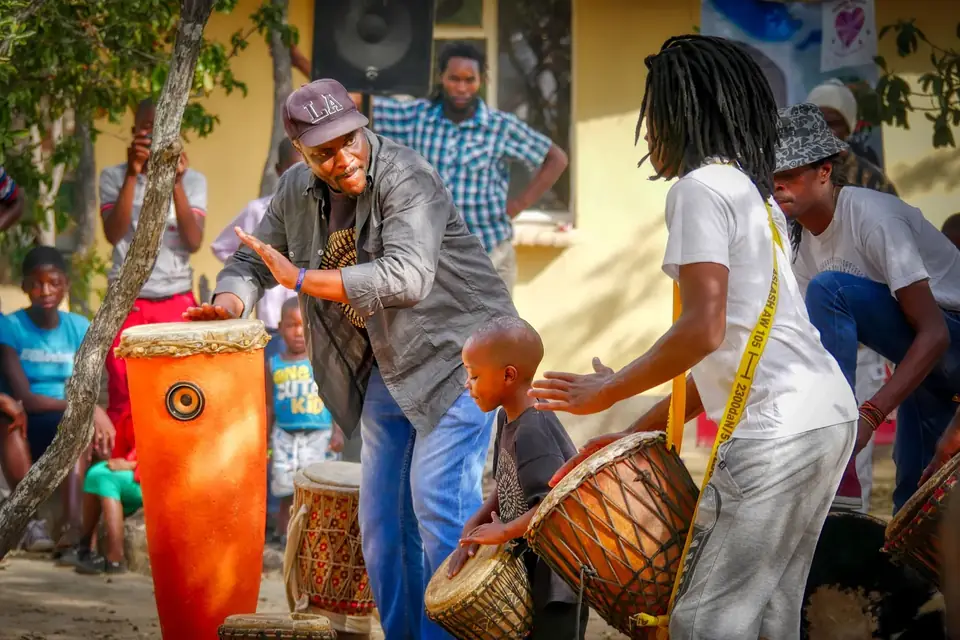 Illustrative example
Music
 Illustrative example
Cultural photography
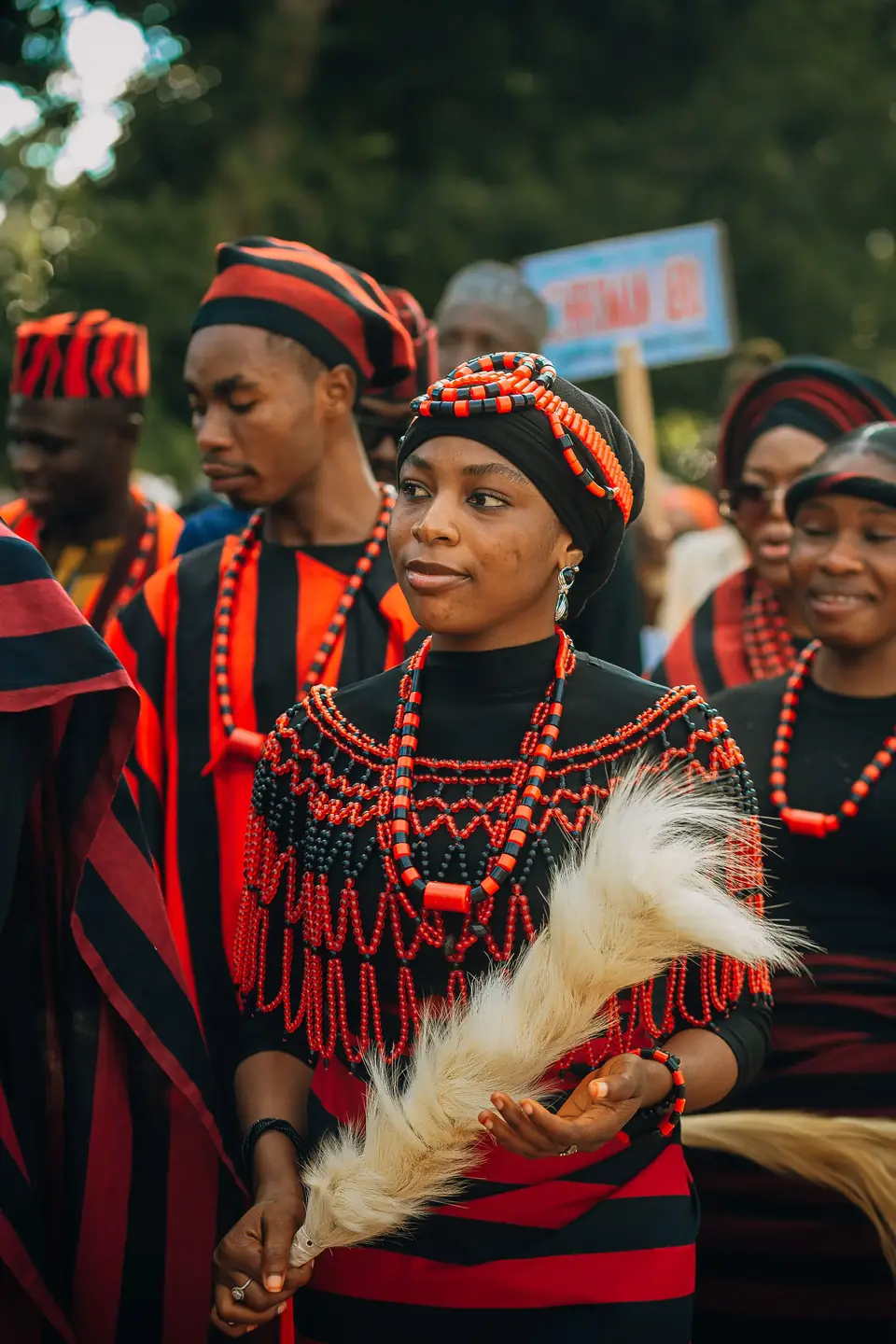 Illustrative example
Craftsmanship
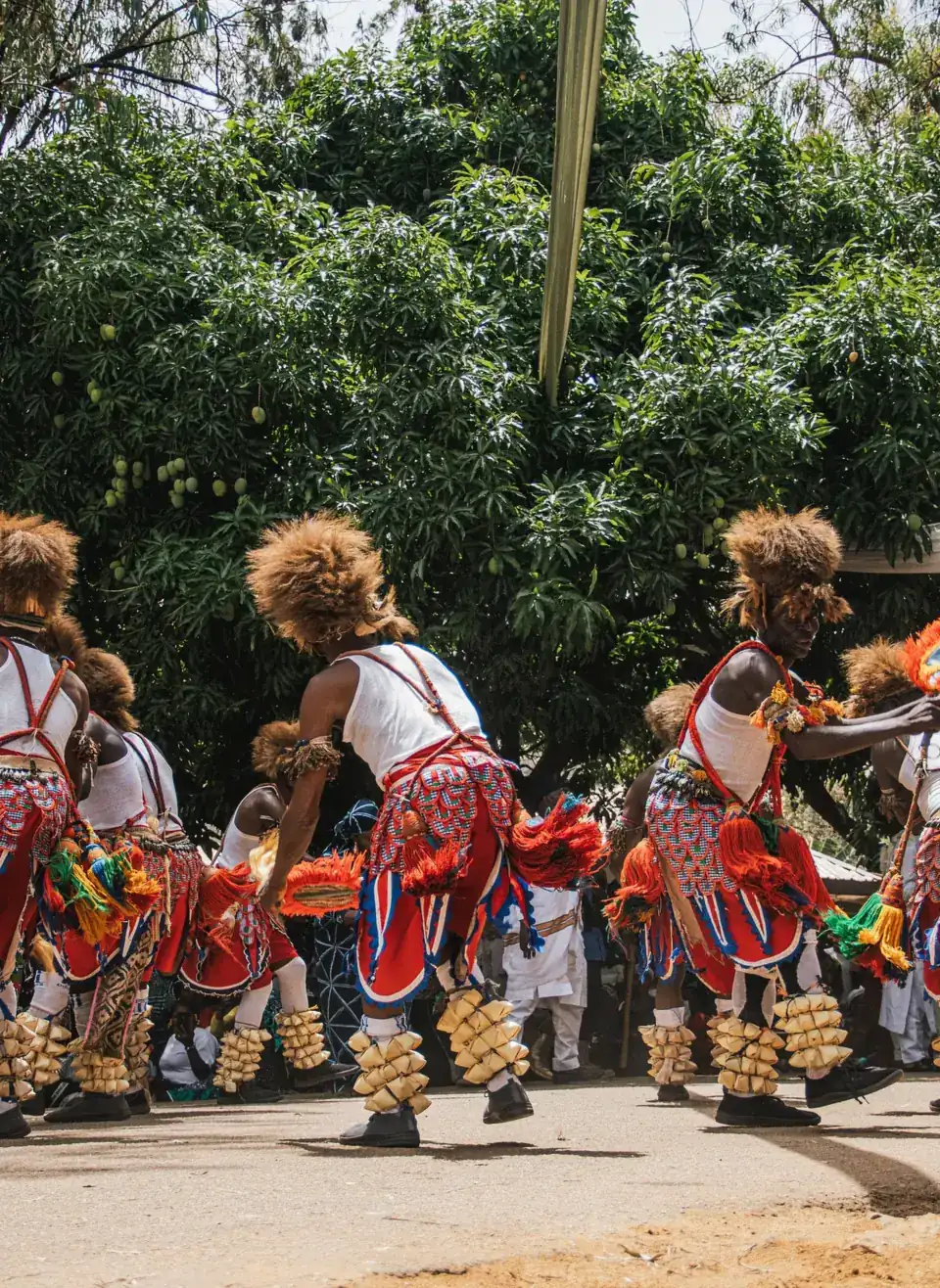 Illustrative example
Documented cultural expression
An Heirloom Badge represents a creator’s original cultural or creative work made available within Auvra, such as music, photography, artwork, storytelling, crafts or literature. It is published by the creator and can be discovered and claimed by Explorers.
Creators publish them for their own works: musicians, photographers, artists, storytellers, craft practitioners, writers and other cultural creators.
Explorers are people on Auvra who discover creative and cultural works and claim the Heirloom Badges that hold meaning for them, building their own collections.
Digital or physical cultural expressions, for example traditional artwork, music, cultural photography, craftsmanship and documented cultural practices, always presented with the creator's attribution and context.
Contribute to the cultural record or share your own work with its story attached. Start on Auvra today.
Explore Auvra