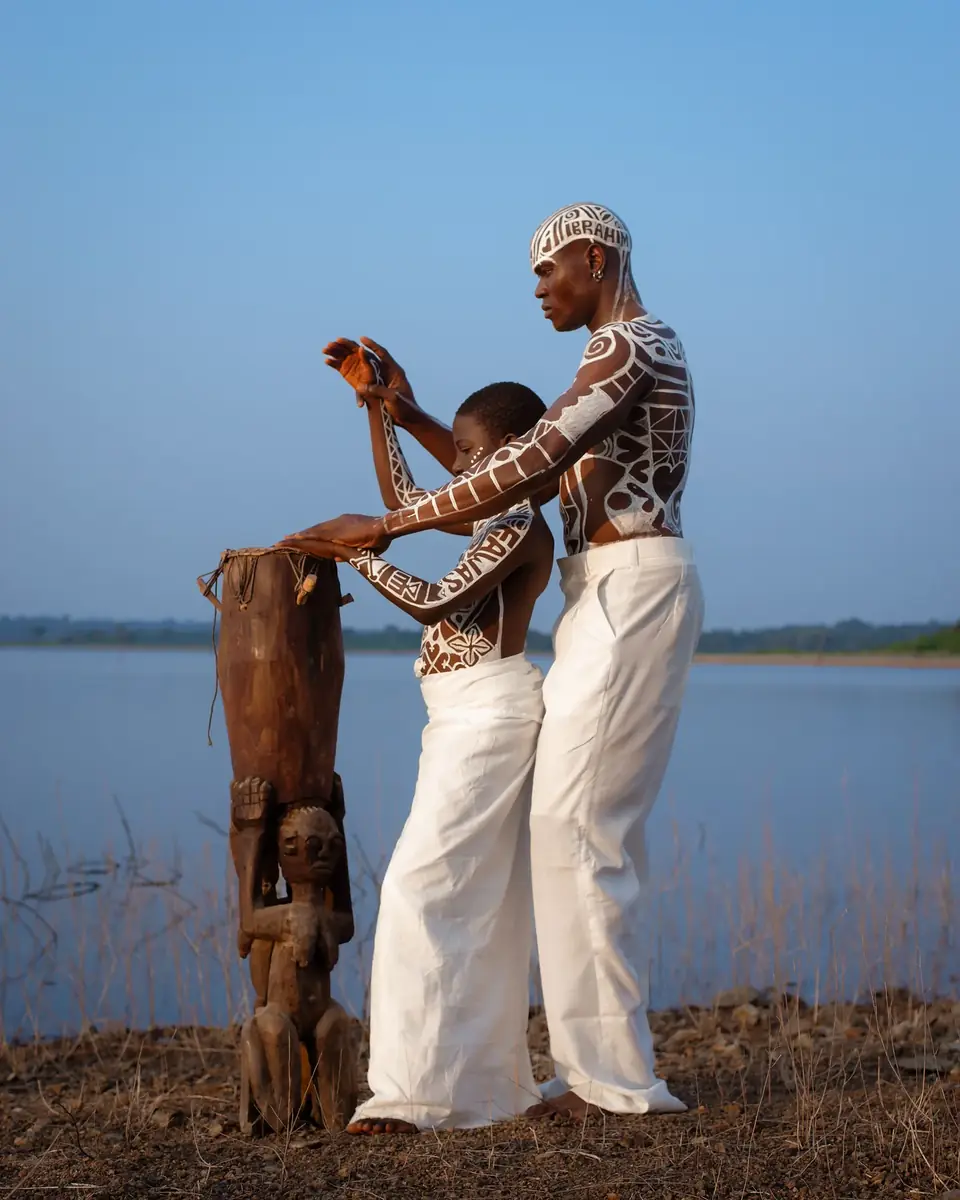
Cultural Preservation

Preserve the knowledge that makes us who we are.

Cultural Preservation on Auvra is an environment for documenting and preserving the stories, languages, memories, traditions and cultural knowledge that connect people to their heritage, with their origins and context kept intact.

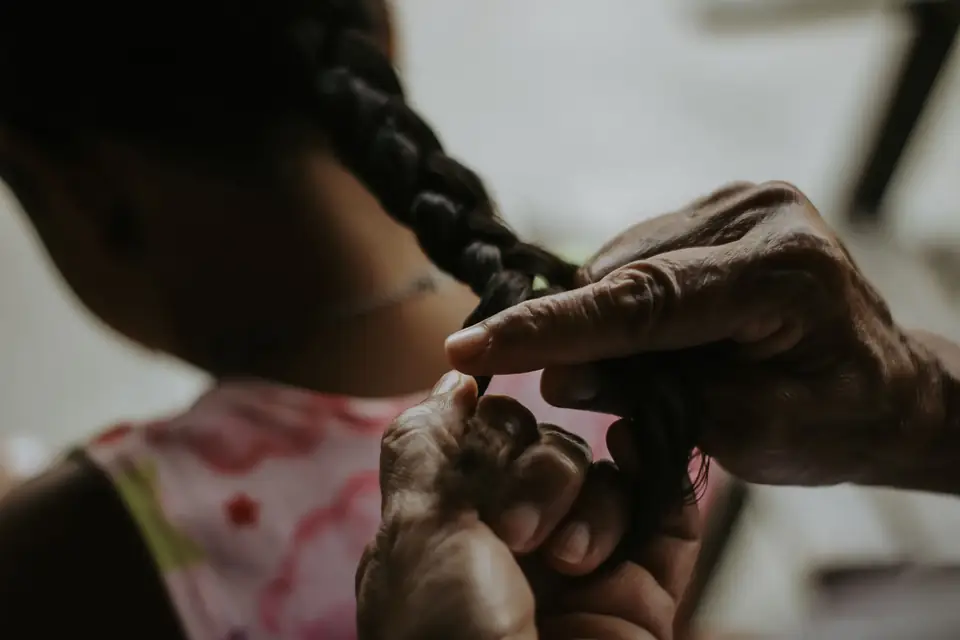
An older hand braiding a child's hair, a skill passed from one generation to the next

Introduction

What does cultural preservation mean on Auvra?

It means giving the knowledge your family or community holds a lasting, organised home. You record or upload it, describe where it comes from and who it belongs to, and keep it in a form the people who come after you can find, understand and continue.

Every family and community holds knowledge that cannot be found anywhere else: the way a story is told, the meaning of a pattern, the words for things that have no translation. Preservation is not about putting culture behind glass. It is about keeping it close to the people who live it, with their names attached.

A man shaping a carved wooden sculpture beside a lake
A sculptor at work. Craft knowledge like this is often learned by watching, and rarely written down.

Lens AI

Lens AI transcribes and translates oral histories, tags cultural items and makes archives searchable.

You stay in control: what Lens AI produces can be reviewed and corrected by the person who shared the memory.

The challenge

Why is cultural knowledge so easy to lose?

Because it is spread across people, devices, places and generations. Each piece on its own is fragile. When an elder passes or a phone is lost, what was known can disappear with them.

  • In the memory of elders

    Much of what a family or community knows has never been written down. It lives in the people who were there.

  • On phones and in group chats

    Voice notes, videos and photos are recorded every day, then buried under newer messages or lost with a device.

  • In boxes, albums and drawers

    Letters, photographs and documents fade, scatter between relatives, or are thrown away by people who do not know their story.

  • Across distance and borders

    When families move, knowledge is split between places. Children abroad may never hear the language or stories their parents grew up with.

What can be preserved

What can be preserved on Auvra?

Nine kinds of cultural knowledge, from a single voice note to a lifetime of craft. Auvra is designed for the many forms culture takes.

  1. 01

    Family histories and ancestral memories

    Lineages, names, migrations and the stories of how a family came to be where it is.

  2. 02

    Oral histories and storytelling

    Recorded accounts, folktales and the stories told at gatherings, in the voice of the person telling them.

  3. 03

    Indigenous and underrepresented languages

    Words, sayings, pronunciations and everyday speech in languages that are rarely written or taught.

  4. 04

    Songs, music and performances

    Praise songs, lullabies, drumming, dance and the performances that mark moments in a community’s life.

  5. 05

    Cultural practices and traditions

    How things are done and why: dress, food, greetings, naming and the customs of everyday life.

  6. 06

    Rituals and ceremonies

    Weddings, festivals, rites of passage and remembrance, documented with care and with the community’s consent.

  7. 07

    Traditional knowledge and craftsmanship

    Weaving, carving, dyeing, building, healing and farming knowledge, and the skills passed from hand to hand.

  8. 08

    Historical accounts and community memories

    How a town was founded, what happened in a particular year, and the shared memories that shape a place.

  9. 09

    Creative expressions and cultural works

    Artworks, poetry, photographs and new work that carries a culture into the present.

Who preserves

Who can preserve culture on Auvra?

Anyone, from one person to a whole community. Individuals and families can preserve their own histories, and communities can document what they know together.

Individual and family preservation

Start with the people closest to you.

Record a parent describing the house they grew up in. Photograph a grandmother’s recipes before the paper wears through. Add the names of everyone in an old wedding photo while someone still remembers them.

  • Keep recordings, photos and documents together in My Vault
  • Note who is speaking, where and when, so the context stays with the memory
  • Invite relatives to add what they know
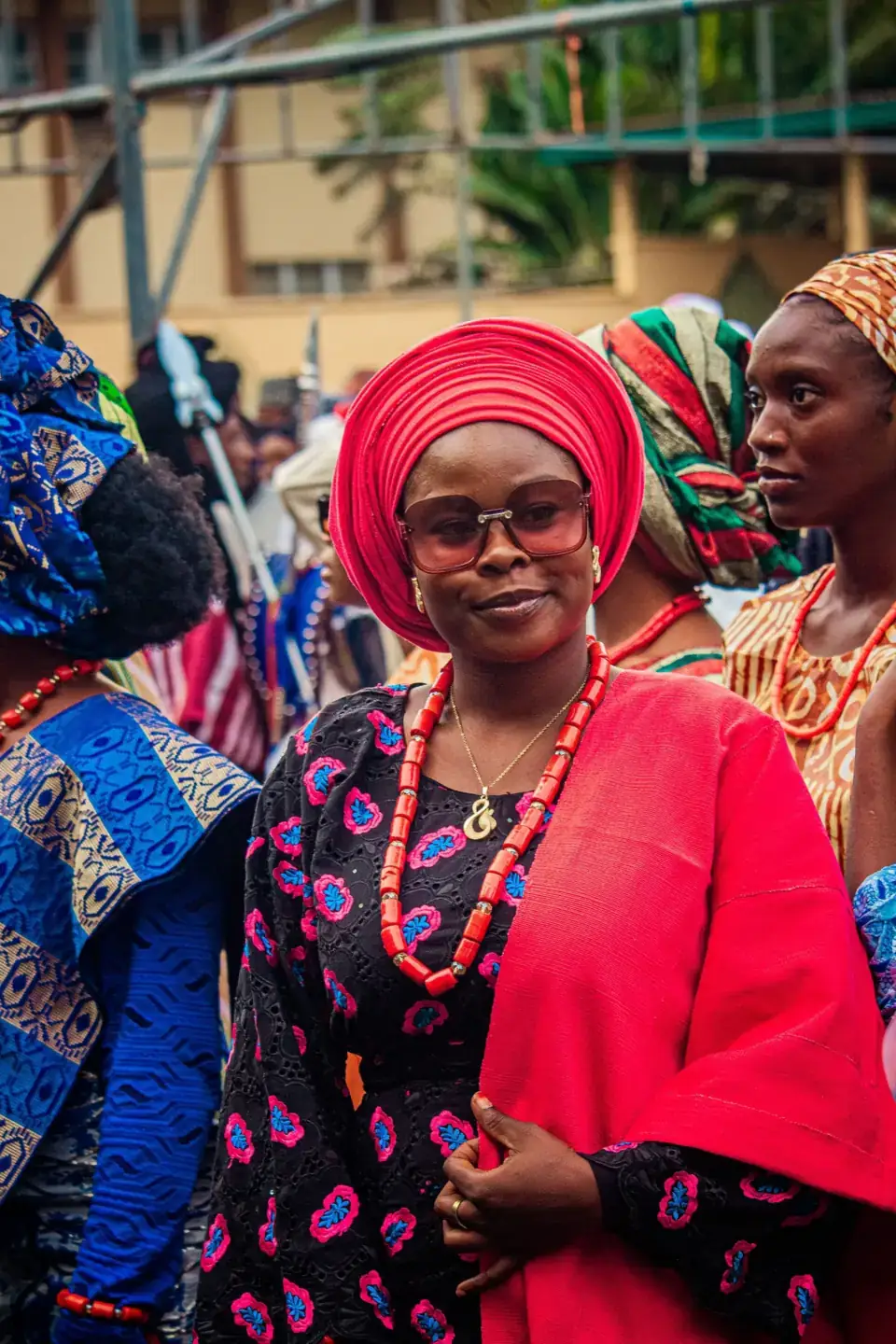
A smiling woman wearing a red gele and coral beadwork

Community cultural documentation

Document what a community knows together.

Hometown unions, cultural associations and groups can gather the accounts of many people into one shared record of their history, festivals, language and craft.

  • Many voices contribute to one shared history
  • Each contribution stays credited to the person who gave it
  • Communities decide who can see sensitive or sacred knowledge
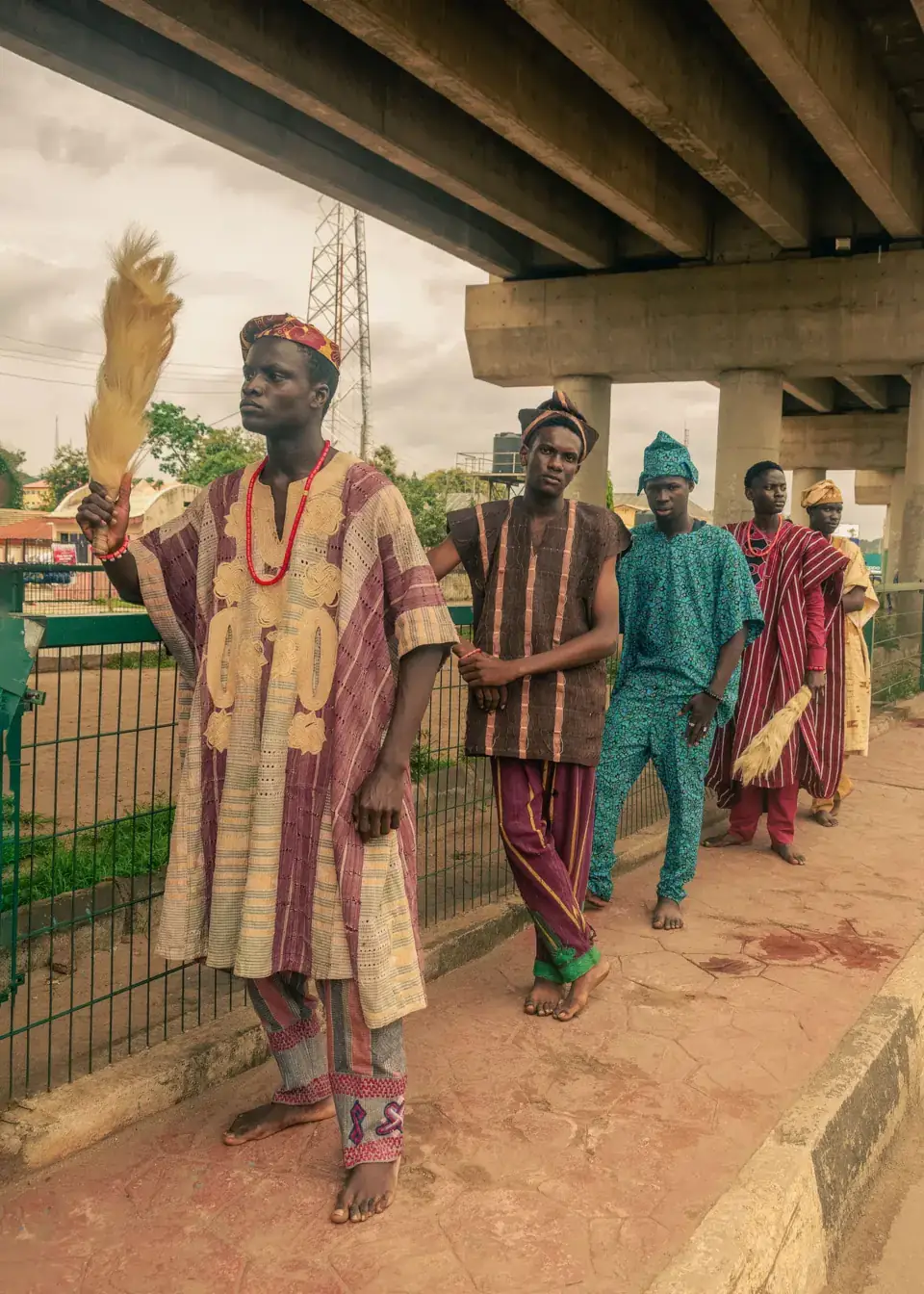
Men in traditional robes, caps and coral beads walking together in a procession

Intergenerational continuity

How does knowledge reach the next generation?

Preservation matters most when it reaches the next generation, and when they can add to it. Here is how one memory might travel.

  1. An elder remembers

    A grandmother records how her family celebrated the new yam festival when she was a girl, in her own language.

  2. The record is kept

    The recording is preserved with her name, the date and the place it describes, so its origin is never lost.

  3. It becomes understandable

    Lens AI can transcribe and translate the recording, so grandchildren who speak another language can follow it.

  4. The next generation continues it

    Years later, a grandchild adds their own memory of the festival, alongside the original, not in place of it.

An illustrative example of how a record can pass between generations.

Questions

Cultural Preservation questions

See all FAQs →

What can be preserved on Auvra?

Family histories and ancestral memories, oral histories and stories, languages and expressions, songs and performances, rituals and ceremonies, traditional knowledge and craftsmanship, historical accounts, photographs, recordings and documents.

Can families preserve their histories?

Yes. Families can record stories from parents and grandparents, keep photographs, recordings and documents together, and invite relatives to take part.

Can communities document cultural knowledge?

Yes. Cultural associations, local communities, language communities and heritage groups can document shared knowledge together, with every contribution attributed to the person who made it.

How does Auvra support cultural continuity?

Preserved records keep their original context and attribution, and later generations can discover them, learn from them and add their own contributions without erasing what came before.

Start with one story

A single recording of someone you love can be the beginning of a record your family keeps for generations.

Explore Auvra